
IoT Adoption in Manufacturing: Revolutionizing the Industry

The Internet of Things (IoT) has emerged as a transformative force in the manufacturing sector, driving the industrial revolution 5.0, also known as Industry 4.0. By enabling machines, devices, and systems to communicate and share data seamlessly, IoT is reshaping how manufacturing industries operate.
Enhanced Operational Efficiency
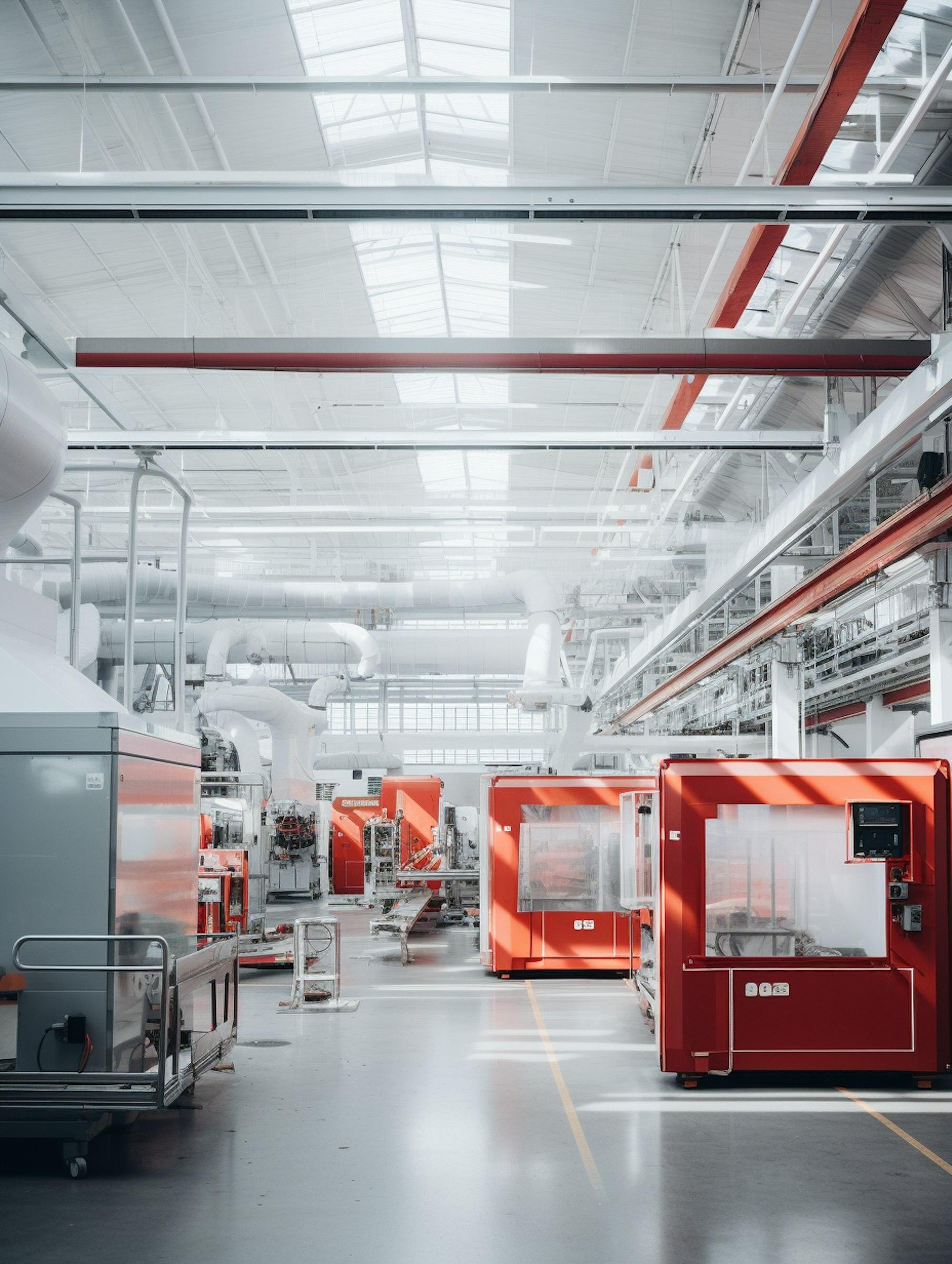
IoT allows manufacturers to monitor equipment and processes in real time, leading to improved efficiency. Smart sensors provide insights into machine performance, energy consumption, and production rates, enabling manufacturers to identify and eliminate inefficiencies.
One of the most impactful IoT applications in manufacturing is predictive maintenance. IoT sensors collect data on equipment performance and condition, enabling manufacturers to predict and prevent equipment failures before they occur.
Supply Chain Optimization
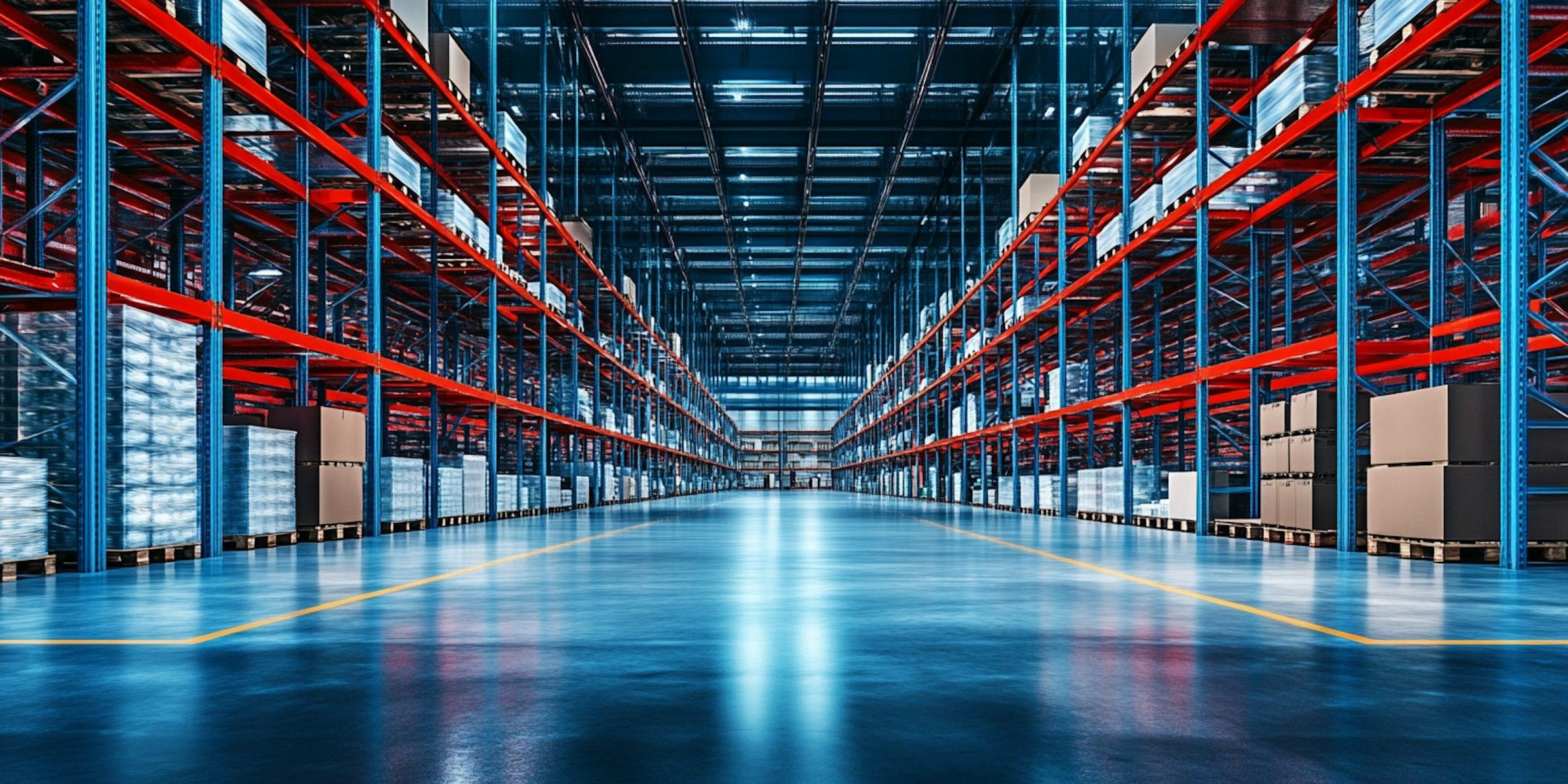
IoT enhances visibility across the supply chain by tracking materials, inventory, and shipments in real time. Manufacturers can monitor the location and condition of goods throughout the supply chain, ensuring timely deliveries and reducing inefficiencies.
IoT-powered supply chains enable just-in-time inventory management, reducing storage costs and waste while improving overall operational efficiency.
Predictive Maintenance
Using IoT sensors to predict and prevent equipment failures, reducing downtime and maintenance costs.
Quality Control
Real-time monitoring and analysis of production processes to ensure consistent product quality.
Worker Safety
IoT wearables and devices to monitor worker health and safety conditions in real-time.
Data Analytics
Advanced analytics to derive actionable insights from IoT sensor data for better decision-making.
Challenges and Solutions
While IoT offers numerous benefits, manufacturers must address challenges such as high implementation costs, data security concerns, and integration with legacy systems.
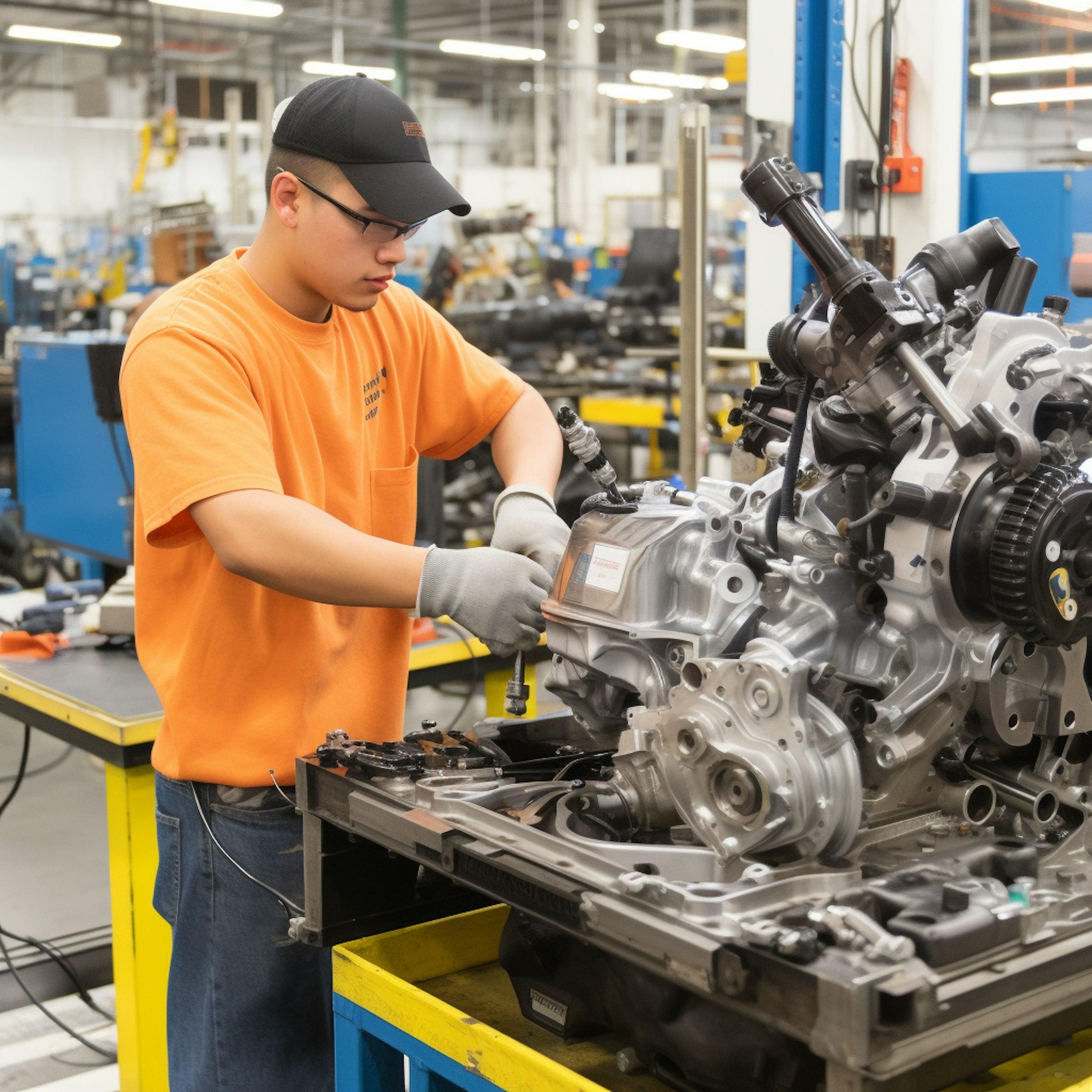
Successful implementation requires a strategic approach, including starting with pilot projects, investing in cybersecurity, upgrading infrastructure, and focusing on employee training.
The Future of IoT in Manufacturing
- Edge Computing: Real-time data processing at the source, reducing latency and bandwidth usage.
- AI Integration: Enhanced data analysis capabilities enabling smarter automation and decision-making.
- 5G Connectivity: Faster and more reliable communication between IoT devices and systems.
- Sustainability: Optimized resource usage and reduced waste through IoT-enabled monitoring and control.
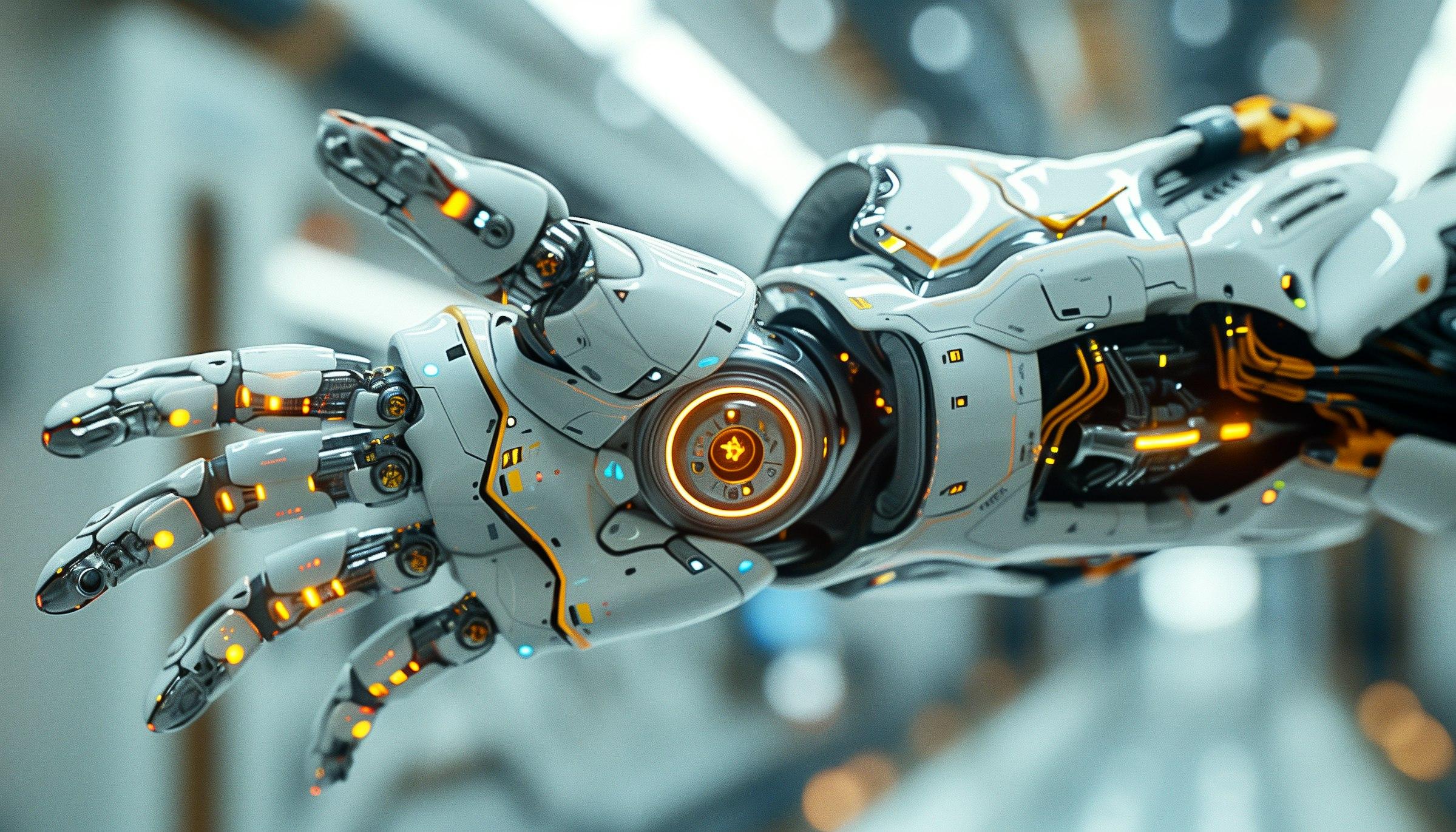
As IoT technology evolves, its impact on manufacturing will continue to grow. Through the integration of edge computing, AI-powered analytics, and 5G connectivity, manufacturers can look forward to even greater improvements in efficiency, productivity, and sustainability. The future of manufacturing lies in embracing these technological advances and creating truly connected, intelligent factories.