Blockchain Revolutionizes Sustainability of Supply Chain Management
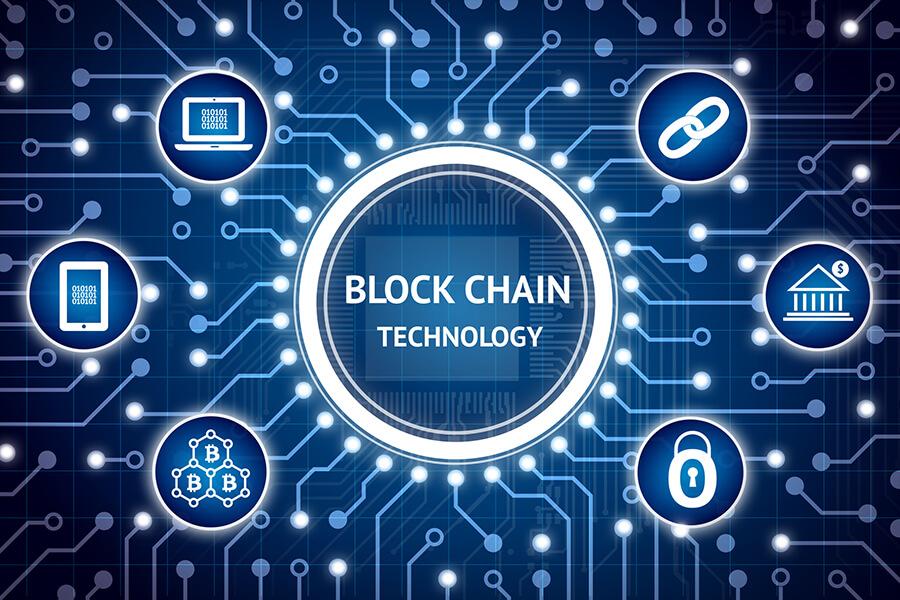
Blockchain technology is emerging as a game changer in supply chain management, offering unparalleled transparency, traceability, and efficiency. It is particularly impactful in the sustainability efforts of organizations, allowing them to track the origins of materials, ensure ethical practices, and reduce environmental impact. Here’s how blockchain is revolutionizing the sustainability of supply chains:
Enhancing Transparency and Traceability
- Immutable records: Blockchain creates permanent, unchangeable records of transactions, allowing every step of the supply chain to be recorded and verified.
- Tracking raw materials: Businesses can track the origins of raw materials from sustainable sources, ensuring they meet ethical and environmental standards.
- Consumer trust: By providing real-time data on the product’s journey, companies can offer consumers transparency about sourcing and production, building trust in sustainable claims.
Reducing Environmental Impact
- Efficient resource usage:Blockchain facilitates real-time tracking of resource use across the supply chain, helping companies identify inefficiencies and reduce waste.
- Energy consumption monitoring: Blockchain allows monitoring and reporting of energy consumption at different stages of production, enabling companies to adopt more sustainable energy practices.
- Carbon footprint tracking: It helps track and verify carbon emissions throughout the supply chain, making it easier for companies to implement and prove their carbon reduction strategies.
Promoting Ethical Sourcing
- Verification of fair labor practices: Blockchain ensures that products are sourced from suppliers who adhere to fair labor and sustainable practices, eliminating concerns about exploitation or unethical practices.
- Conflict-free materials: With blockchain, companies can verify that raw materials such as minerals or precious metals come from conflict-free regions, ensuring ethical sourcing.
Minimizing Fraud and Counterfeiting
- Authenticity verification: Blockchain provides a tamper-proof system to verify product authenticity, making it harder for counterfeit goods to enter the supply chain.
- Preventing greenwashing: By verifying sustainability claims through blockchain data, companies can prevent "greenwashing" (misleading claims about environmental practices), ensuring truthful marketing.
Improving Supplier Accountability
- Supplier performance tracking: Blockchain allows continuous monitoring of suppliers’ adherence to sustainability standards, holding them accountable for environmental and social impact.
- Smart contracts: Blockchain-based smart contracts automatically enforce compliance with sustainability agreements between buyers and suppliers, ensuring that both parties meet their commitments.
Streamlining Compliance and Reporting
- Automated compliance tracking: Blockchain simplifies the process of tracking and reporting compliance with environmental regulations and sustainability certifications.
- Audit efficiency: With all data stored on an immutable ledger, sustainability audits can be conducted faster and with higher accuracy, reducing the administrative burden on companies.
Circular Economy Enablement
- Tracking recycled material: Blockchain can trace the lifecycle of materials through multiple uses, ensuring that recycled materials are properly reused and accounted for.
- Facilitating product returns and recycling: It enables more efficient systems for returning and recycling products, helping companies close the loop and advance their circular economy goals.