Blockchain Empowers Product Traceability and Customer Order Management
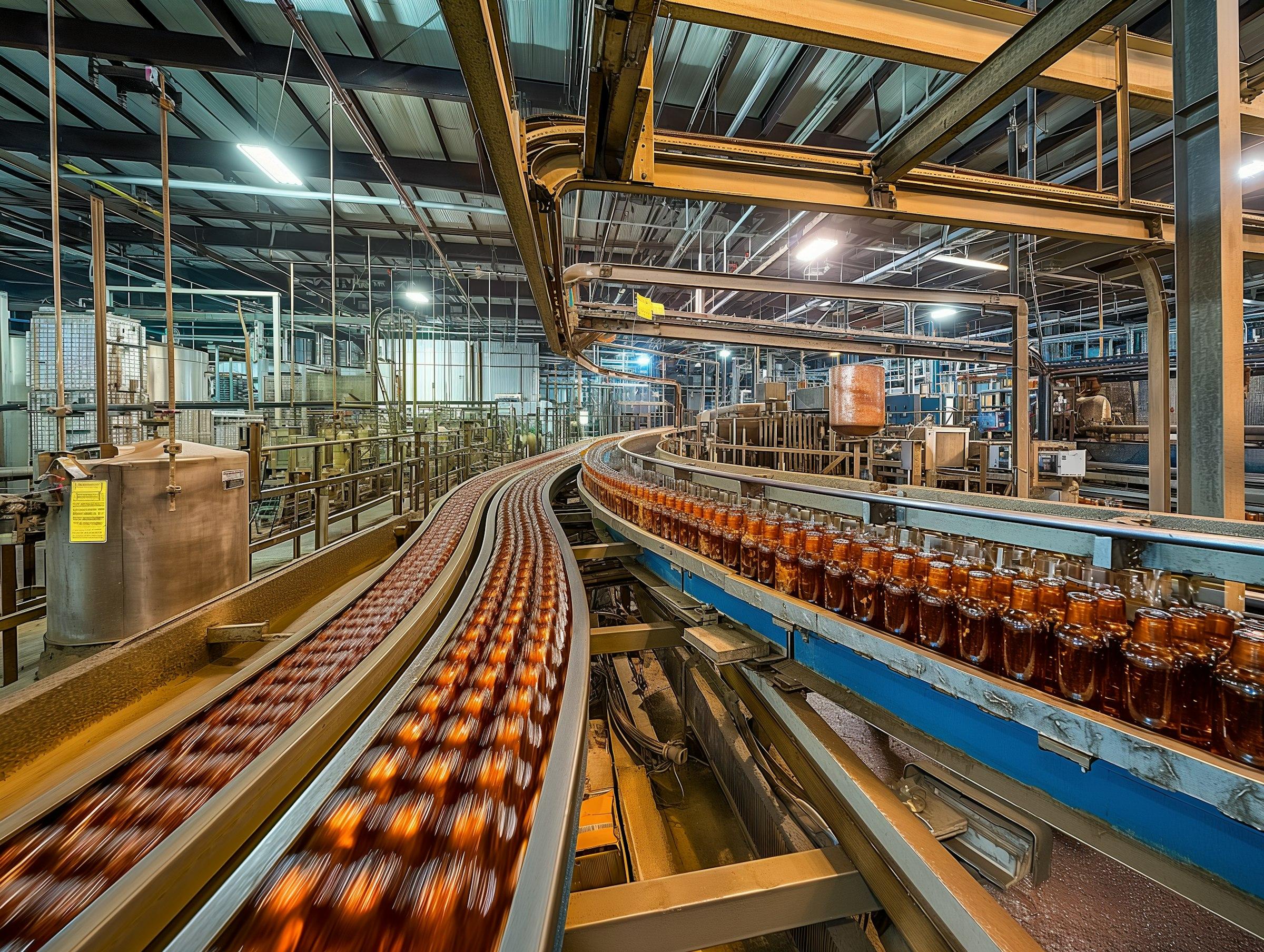
Blockchain supply chain image

In today’s fast-paced, globalized market, product traceability and customer order management are critical components for maintaining supply chain integrity, enhancing customer satisfaction, and ensuring compliance with regulatory standards. As consumer demands for transparency, authenticity, and faster deliveries grow, businesses face increasing pressure to streamline their operations. Enter blockchain technology—a decentralized, immutable ledger that is transforming how companies manage product traceability and customer orders. By enabling real-time visibility, secure data sharing, and automation through smart contracts, blockchain is empowering businesses to revolutionize their supply chain and customer order management processes.


Blockchain and Product Traceability

Product traceability refers to the ability to track and trace the journey of a product from its origin to its destination. Whether it’s food, pharmaceuticals, electronics, or fashion, consumers today expect transparency in how products are sourced, manufactured, and delivered. Blockchain provides the perfect solution by creating a transparent and immutable record of every step in a product’s lifecycle.

End-to-End Transparency : With blockchain, every event in the product journey—such as sourcing, manufacturing, transportation, and delivery—is recorded in a decentralized ledger that is accessible to all authorized stakeholders. This ensures end-to-end visibility in the supply chain, allowing businesses and consumers to verify the authenticity, quality, and status of a product at any point. For instance, in the food industry, blockchain can be used to track the source of ingredients, ensuring they meet sustainability standards, while providing consumers with information on where their food comes from.


Authenticity and Fraud Prevention : One of the biggest challenges in global trade is the risk of counterfeit products. Whether it's luxury goods, electronics, or pharmaceuticals, counterfeit products can damage brand reputation and lead to safety risks. Blockchain ensures that every transaction or movement of a product is securely recorded, creating a digital trail that cannot be tampered with. This makes it easier for businesses to verify the authenticity of products, while helping consumers trust the products they are purchasing.

Historical retail evolution

Streamlining Recalls and Compliance : In industries like food and pharmaceuticals, where product recalls are critical to public safety, blockchain allows businesses to quickly trace products back to their source, enabling faster and more efficient recall processes. This traceability ensures that only affected products are pulled from the market, minimizing financial losses and protecting the brand reputation. Additionally, blockchain helps businesses comply with regulatory requirements by providing an immutable record of product data that is accessible for audits or certifications.

Blockchain and Customer Order Management

In addition to product traceability, blockchain is revolutionizing customer order management, streamlining the entire order fulfillment process, improving customer satisfaction, and reducing operational bottlenecks.

Improved Inventory Management : Blockchain technology also enables businesses to maintain a real-time view of their inventory across multiple locations. By using blockchain to manage inventory, companies can ensure that stock levels are accurately reflected and updated in real time, reducing the risk of stockouts or overstocking. This is particularly beneficial in industries with complex supply chains, where delays or miscommunication between suppliers can lead to costly errors.


Smart Contracts for Automated Order Fulfillment : Smart contracts, powered by blockchain, are transforming the way businesses manage customer orders. These self-executing contracts automatically trigger actions, such as payments or shipments, when specific conditions are met. This reduces the need for manual intervention, speeds up the order fulfillment process, and minimizes the risk of errors or disputes.

Historical retail evolution

Real-Time Order Tracking : Blockchain enables real-time, secure updates on customer orders throughout the supply chain. Once a customer places an order, every step of the fulfillment process—from inventory checks to shipping updates—is recorded on the blockchain. This allows businesses and customers to monitor the status of an order at any point, providing real-time visibility into the delivery process. This level of transparency not only enhances the customer experience but also helps businesses optimize their logistics operations by identifying potential delays or inefficiencies in the supply chain.


Enhanced Security and Data Integrity :One of the key benefits of blockchain in customer order management is the security and integrity of data. All transactions and updates are stored in a decentralized, tamper-proof ledger, ensuring that customer orders cannot be altered or manipulated by unauthorized parties. This enhances trust between businesses and customers, as both parties can access a transparent and verifiable record of the order process.

Benefits of Blockchain for Product Traceability and Customer Order Management

Educational transformation initiative in Latin America

Increased Transparency and Trust

Blockchain provides a single source of truth that all stakeholders can access, increasing transparency and building trust with customers. By offering real-time visibility into product origins and order status, businesses can foster better relationships with customers, suppliers, and regulators.

Efficiency and Cost Savings

By automating key processes through smart contracts and reducing the need for intermediaries, blockchain streamlines both product traceability and order management, resulting in cost savings and improved operational efficiency.

Improved Customer Satisfaction

Blockchain enhances customer satisfaction by providing accurate, real-time updates on order status and product origins, reducing uncertainty and ensuring a smooth and seamless customer experience.

Enhanced Security and Fraud Prevention

Blockchain’s decentralized, tamper-proof architecture protects sensitive customer and product data from fraud, unauthorized access, and manipulation, improving the overall security of the supply chain and customer order process.

Challenges to Blockchain Adoption

While blockchain offers significant benefits, there are also challenges to its adoption, including:

  • Scalability: As the volume of data increases, blockchain networks may face scalability issues, leading to slower transaction processing times.
  • Integration with Legacy Systems: Many businesses still rely on legacy systems that may not be compatible with blockchain technology.
  • Regulatory Hurdles: In industries such as finance and healthcare, businesses must navigate complex regulatory environments when implementing blockchain solutions.