Advanced Digital Automation: Future Factory

Educational transformation initiative in Latin America

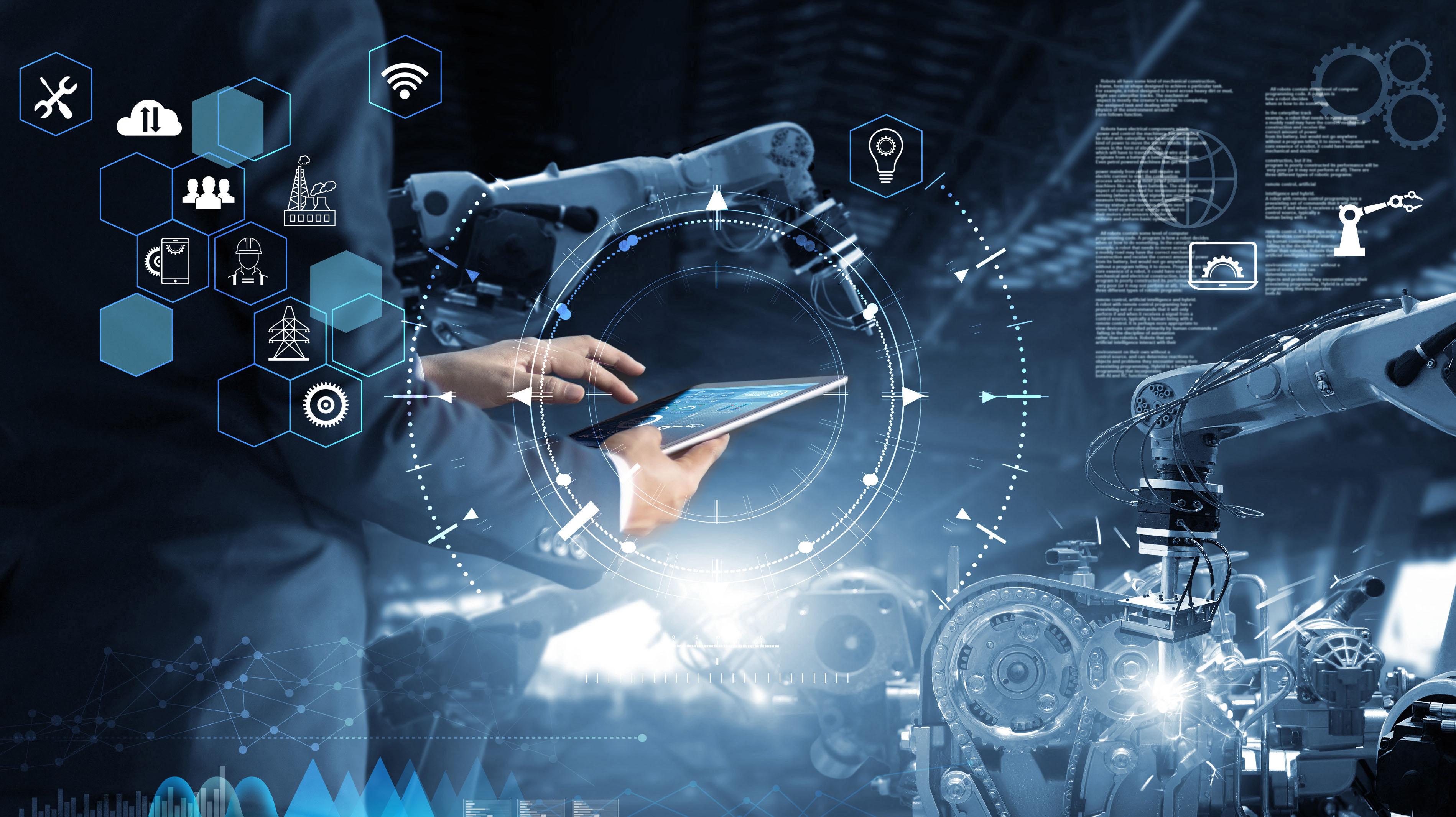
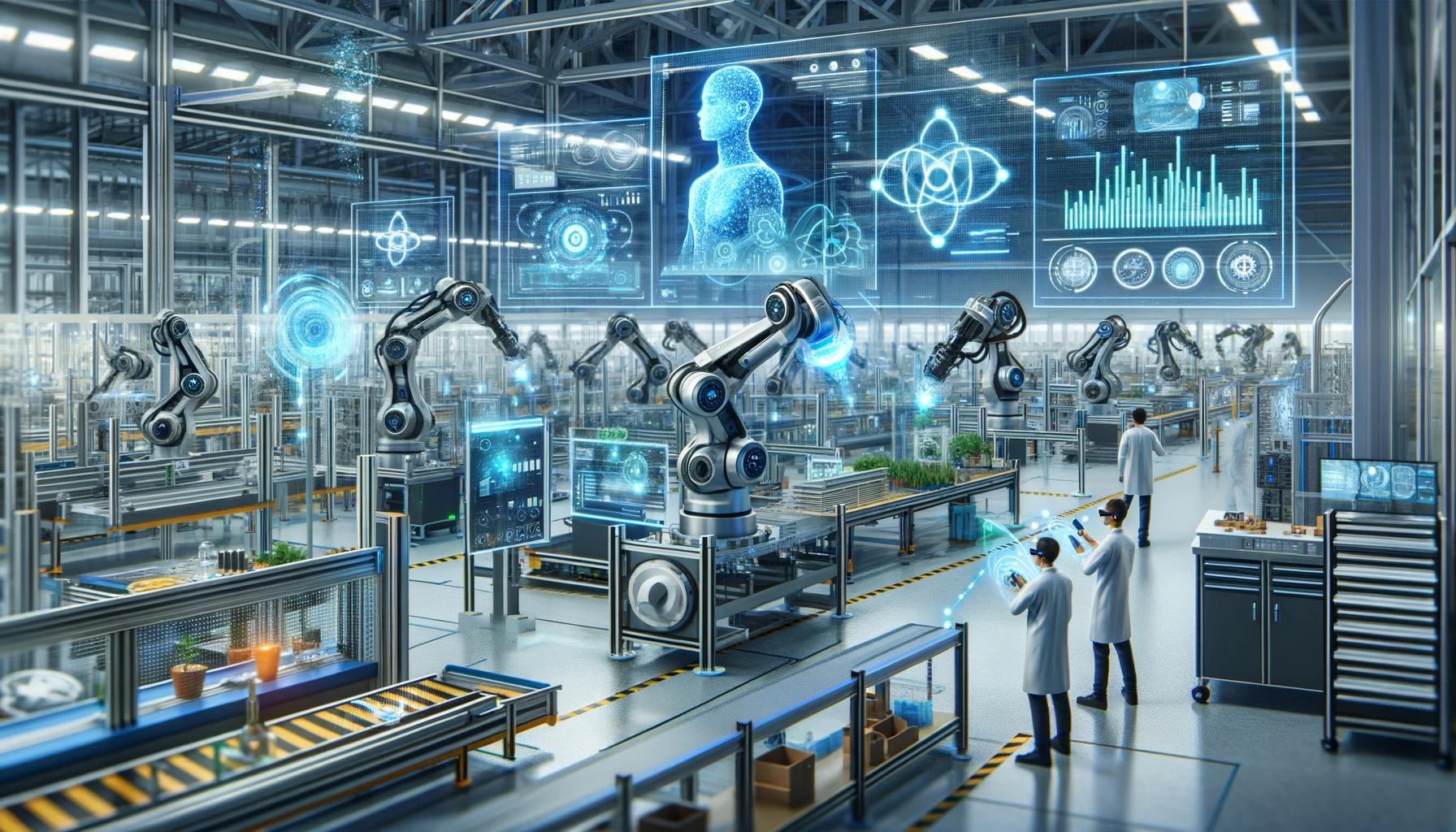
The concept of the "Future Factory" is becoming a reality, driven by advanced digital automation technologies that are revolutionizing how manufacturing operates. From AI-powered machines and robotics to the Internet of Things (IoT) and digital twins, these innovations are creating a new era of smart, efficient, and agile factories. The future factory is not just about production; it’s about creating a fully integrated, data-driven, and highly automated environment where machines, people, and systems work together seamlessly.

The Role of Advanced Digital Automation

At the heart of the future factory lies advanced digital automation—the integration of cutting-edge technologies that enable factories to operate with minimal human intervention, while improving efficiency, reducing waste, and ensuring adaptability to market changes. Here are the key components driving the transformation:

AI and Machine Learning in Manufacturing :Artificial Intelligence (AI) and machine learning are central to the future factory, where they help optimize processes, improve quality control, and predict maintenance needs. AI algorithms analyze massive amounts of data generated by factory machines and IoT devices, providing insights into production inefficiencies, downtime risks, and demand forecasting. By applying predictive analytics, factories can minimize disruptions, avoid costly breakdowns, and maintain peak operational performance.


Robotics and Automation :Robots have long been a part of manufacturing, but in the future factory, they will be more advanced, collaborative, and autonomous. Collaborative robots work alongside human workers, handling repetitive or physically demanding tasks, while more sophisticated robots manage intricate operations that require precision and speed. Automated guided vehicles (AGVs) and drones will further streamline logistics and inventory management, enhancing productivity and safety in the workplace.

Historical retail evolution

Internet of Things (IoT) :The IoT connects machines, devices, and systems throughout the factory, allowing real-time communication and data sharing across the entire production ecosystem. IoT sensors track equipment health, monitor environmental conditions, and provide live data on production efficiency. In the future factory, IoT will enable fully connected production lines, ensuring that every aspect of the manufacturing process—from raw material input to finished product output—is tracked and optimized.


Digital Twins and Simulation :Digital twins are virtual replicas of physical assets, processes, or entire factories. By creating a digital twin of a factory, manufacturers can simulate various scenarios to test new production techniques, equipment configurations, or responses to changes in demand. This allows for better decision-making and risk management, enabling factories to adapt quickly to market shifts without disrupting production. In the future factory, digital twins will help optimize factory layouts, energy consumption, and overall workflow.

Benefits of Advanced Digital Automation in Future Factories

Increased Efficiency and Productivity:Automation technologies, driven by AI and robotics, enable continuous operation with minimal downtime, reducing human error and speeding up production processes. Real-time data analysis ensures that machines are operating at optimal capacity, and predictive maintenance helps avoid unexpected failures, leading to higher overall productivity.

Cost Reduction :The future factory leverages automation to cut down on labor costs, minimize waste, and optimize resource use. AI-driven quality control ensures that defects are identified early, reducing rework and saving materials. With IoT-enabled energy management systems, factories can also reduce energy consumption by tracking and optimizing power usage across production lines.


Improved Flexibility and Agility :In a fast-changing global market, flexibility is key. The future factory’s ability to rapidly adapt to shifts in demand, product customization, or supply chain disruptions is one of its biggest strengths. With digital twins and IoT, factories can reconfigure production lines on the fly, adjust machine settings remotely, and optimize production schedules in response to real-time market data.

Historical retail evolution

Enhanced Sustainability :Automation in the future factory is not just about speed and efficiency; it's also about sustainability. By reducing waste, optimizing resource use, and improving energy efficiency, digital automation helps manufacturers meet sustainability goals and reduce their environmental footprint. Smart systems can monitor emissions, water usage, and energy consumption, enabling factories to operate in a more environmentally conscious manner.


Workforce Evolution :While automation takes over repetitive and dangerous tasks, human workers are freed to focus on higher-value roles such as overseeing AI systems, managing automation processes, and handling complex problem-solving. The future factory will require a skilled workforce with expertise in digital tools, AI, and data analysis. Continuous learning and reskilling programs will be essential to help workers transition to these more technical roles.

Challenges in Implementing the Future Factory

While the benefits of advanced digital automation are clear, there are several challenges to consider:

  • Integration of Legacy Systems: Many existing factories still rely on outdated technologies and machinery that may not be compatible with advanced digital systems. Retrofitting these factories with IoT, AI, and automation technology requires significant investment and careful planning.
  • Cybersecurity Risks: With increased connectivity comes the risk of cyberattacks. Protecting sensitive data and securing networked devices in smart factories will require robust cybersecurity protocols and continuous monitoring.
  • Talent Gap: As automation takes hold, the need for workers skilled in AI, robotics, and data science will grow. Bridging the talent gap will require comprehensive reskilling and upskilling initiatives to prepare the workforce for the demands of the future factory.

Key Features of the Future Factory

Digital automation is reshaping factories by optimizing production processes, improving decision-making, and enabling real-time adaptability, ultimately revolutionizing the entire manufacturing industry.

Educational transformation initiative in Latin America

Smart, Connected Systems with Industrial Internet of Things (IIoT)

In the Future Factory, all equipment, machines, and production lines are interconnected through Industrial Internet of Things (IIoT) sensors, creating a network of smart devices that communicate and share data in real-time. This connectivity provides a holistic view of the production process, allowing operators to monitor and control every aspect remotely. The integration of IIoT enables predictive maintenance, where machines detect performance issues before they lead to breakdowns, minimizing downtime and increasing operational efficiency.

AI-Driven Automation and Decision-Making

AI and machine learning play a central role in the Future Factory by analyzing data generated from production systems to optimize operations. AI algorithms can predict fluctuations in demand, adjust production schedules, and automate quality control processes. Real-time data from machines, supply chains, and customers allow AI to make intelligent decisions, improving productivity and reducing waste. For example, AI-powered robots can work alongside humans on the factory floor, taking over repetitive tasks while allowing workers to focus on more complex activities.

Digital Twins for Process Optimization

Digital twins—virtual replicas of physical assets or processes—allow manufacturers to simulate and optimize operations before implementing changes in the real world. By creating a digital counterpart of a factory, companies can test different production scenarios, detect inefficiencies, and forecast outcomes without interrupting ongoing processes. Digital twins also provide real-time monitoring of performance, offering insights into potential bottlenecks or areas for improvement.

Advanced Robotics and Automation

In the Future Factory, advanced robotics are integrated across production lines to enhance precision, speed, and safety. Autonomous mobile robots (AMRs) and collaborative robots work seamlessly alongside human workers to improve efficiency. collaborative robots can take on tasks that require high precision and dexterity, while AMRs are responsible for logistics, moving materials across factory floors with minimal human intervention. These robots are equipped with AI-driven sensors and cameras, enabling them to make real-time decisions and adjust to dynamic factory environments.

Customizable and Flexible Manufacturing

The rise of mass customization demands more flexible manufacturing systems. Future Factories are designed to be highly adaptable, capable of rapidly switching between different product lines without major retooling. Automated machinery and AI-driven systems enable the production of small-batch, highly personalized products in response to customer demand. This flexibility allows manufacturers to meet changing market requirements quickly and efficiently, without sacrificing quality or cost-effectiveness.

Sustainability and Energy Efficiency

Future Factories prioritize sustainability through energy-efficient technologies and automated resource management systems. AI and IIoT sensors monitor energy consumption, water usage, and material waste, optimizing resource use and reducing the factory's environmental footprint. Additionally, automation helps improve recycling and reuse of materials, contributing to a circular economy. Renewable energy sources like solar and wind are increasingly being integrated into factory power systems, aligning with global goals for reducing carbon emissions.

Real-Time Data Analytics for Continuous Improvement

In the Future Factory, data is a valuable asset. The vast amounts of data collected from machines, supply chains, and customer feedback are continuously analyzed to refine production processes. Real-time analytics provide factory managers with insights into performance metrics, such as equipment efficiency, production yield, and labor utilization. By continuously monitoring and adjusting based on data insights, factories can achieve continuous improvement and stay competitive in a fast-evolving marketplace.

Impact of Digital Automation on the Workforce

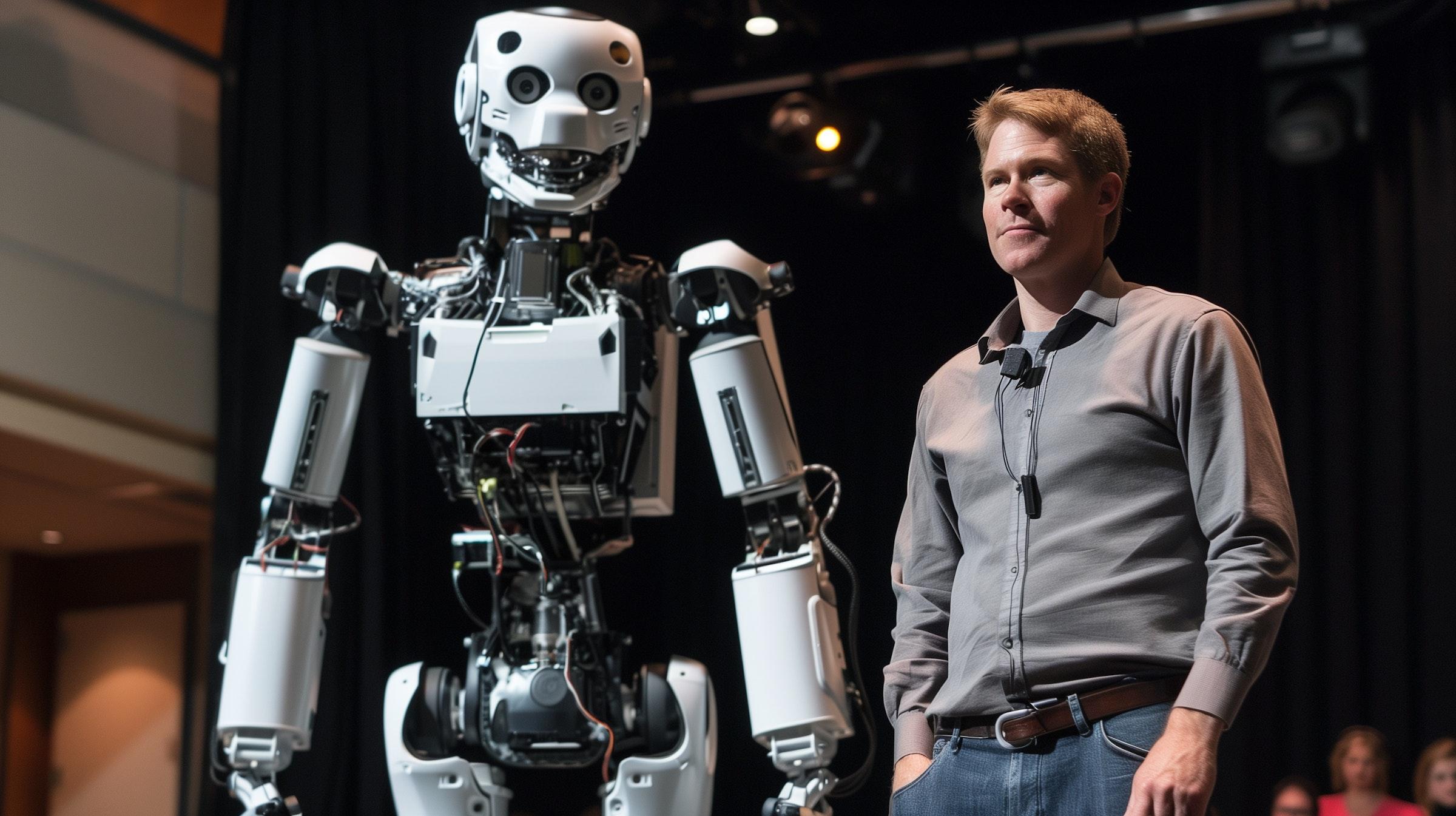
While digital automation introduces significant technological advancements, it also reshapes the role of human workers in the factory.

In the Future Factory, workers are expected to transition from traditional manual labor to more strategic and analytical roles, focusing on overseeing automated systems, troubleshooting AI-driven machinery, and ensuring smooth operations. Upskilling and reskilling programs will be essential to prepare workers for new roles such as automation technicians, data analysts, and AI specialists.


Additionally, collaborative robots and AI systems will allow human workers to focus on higher-level tasks, increasing job satisfaction by reducing physical strain and repetitive work. As automation handles more operational tasks, workers will engage in innovation, creativity, and problem-solving, further enhancing productivity and safety in manufacturing environments.

Historical retail evolution